It starts on Friday with the NCGA Championships (Division III) in Cortland (NY), MIC (Midwest Independent Conference) Championships in Normal (IL) and on Saturday the regional finals and on Saturday the Big Ten Championships (Division I) in Champaign (IL).
It is not the weekend that will define the great champions of US university gymnastics, but it is considered by many to be just as important when we talk about emotion and competitiveness.
You're not American and you don't understand the NCAA system?
If you are not American, you can't skip this part, but it is worth a little explanation here for the rest of the world to understand the importance of this event and the structure of the NCAA.
The NCAA is the non-profit organization that regulates sports at more than 1,100 universities in the U.S. and Canada. It is not a professional league, but it moves billions of dollars. Its goal is to organize competitions where students can represent their faculties while earning a degree.
The NCAA is not a "single league" like England's Premier League. It is divided into Conferences (groups of universities, usually by geographical proximity or historical affinity). Examples of conferences include Big Ten, SEC, ACC and others.
Not all conferences have all sports, so a university of a particular conference may be an affiliate member of another conference just to compete in a particular sport.
And the most important thing to understand is the divisions. If you're familiar with European football (and other sports that follow the same structure) where divisions promote the rise of descent according to your sporting performance, this is not the case in America. Mirroring in a way, what happens with professional sports, the leagues are closed, like franchises, but here the difference is in the level of athletes and the investment and objective of the universities.
There are approximately 100 conferences divided into three divisions and the university chooses which division to participate in. We then have:
Division I
Approximately 32 conferences (including the famous "Power Four": SEC, Big Ten, Big 12 and ACC). Where young athletes compete at a high level and most are or have chances to be Olympic athletes and many already have international projection. For these athletes, being an athlete is a profession and the diploma at the end of the course is a complement to their career, focused on being, after the end of the course, a professional athlete. This is where we have the distribution of full scholarships and exposure in national media.
Division II
It has about 23 conferences. It is the middle ground, where we have good athletes, who still dream of a professional career, but study in medium-sized colleges, where the investment is more moderate, have fewer full scholarships and often better allowances are associated with great academic performance. Media exposure is regional and with online broadcasts.
Division III
It has about 42 conferences. Here the focus is academic. They are future doctors, engineers and lawyers who enjoy competition and sport, but do not wish (or perhaps have achieved the level to be professional athletes after completing the course). Universities in this division do not provide scholarships for their athletes and have local and more modest exposure.
During the season, teams play mainly against rivals from their conference to decide who is the "Conference Champion" (like the championships that take place this weekend on Friday the 20th and Saturday the 21st) to later play in the national competition of their division.
Phew! If you've made it this far, thank you, now we can continue to talk about this weekend's gymnastics competitions.
Now that I know how it works, we can continue from here!
In New York, the NCGA Women's Gymnastics Championships will have two Wisconsin universities going to a very particular clash. UW-La Crosse (West), the defending champion and holder of an impressive record of titles, has become a true Midwest dynasty, in which UW-Oshkosh (West) tries to break, after 6 consecutive victories in the regionals. On the other side (East), schools like SUNY Brockport and host SUNY Cortland carry the pride of the "Empire State", proving that elegance and technical precision are not exclusive to the great television conferences. UW-Whitewater and UW-Eau Claire, both from West, run on the outside.
Of the universities that won a place for this final with their complete teams, we highlight:
Mia Lucero, the reigning champion of the WIAC conference in Jumping. She is known for her explosive power and spiked landings and Delaney Cienkus, a beam and floor specialist who rarely makes mistakes. He is the emotional "anchor" of the team. From UW-Oshkosh, the big favorite for the title.
Defending the UW-La Crosse, we highlight Rachel Chesley, one of the most complete gymnasts in Division III. She is a constant threat in the All-Around and stands out especially in the Uneven Bars and Alex Wood, a specialist in Floor, whose artistic routines usually get the highest scores from the jury for her expressiveness.
Grace Guntly was instrumental in the team's record scoring in the regionals. She is an exceptional beam gymnast, with impressive calm under pressure and Gianna Mirigliano, a consistent All-Arounder who will be the team's engine for a home attempt at the podium, as both are representatives of host SUNY Cortland.
Still in New York, we have in SUNY Brockport (Eastern Champion), Laci Richter who dominated the Vault and Beam in the Eastern regional championship. She is the gymnast that Brockport uses to close the rotations and guarantees grades of 9.8+.
But it's not just the teams that will participate, some athletes got points to participate in the final as individual athletes and are among the favorites for the apparatus titles.
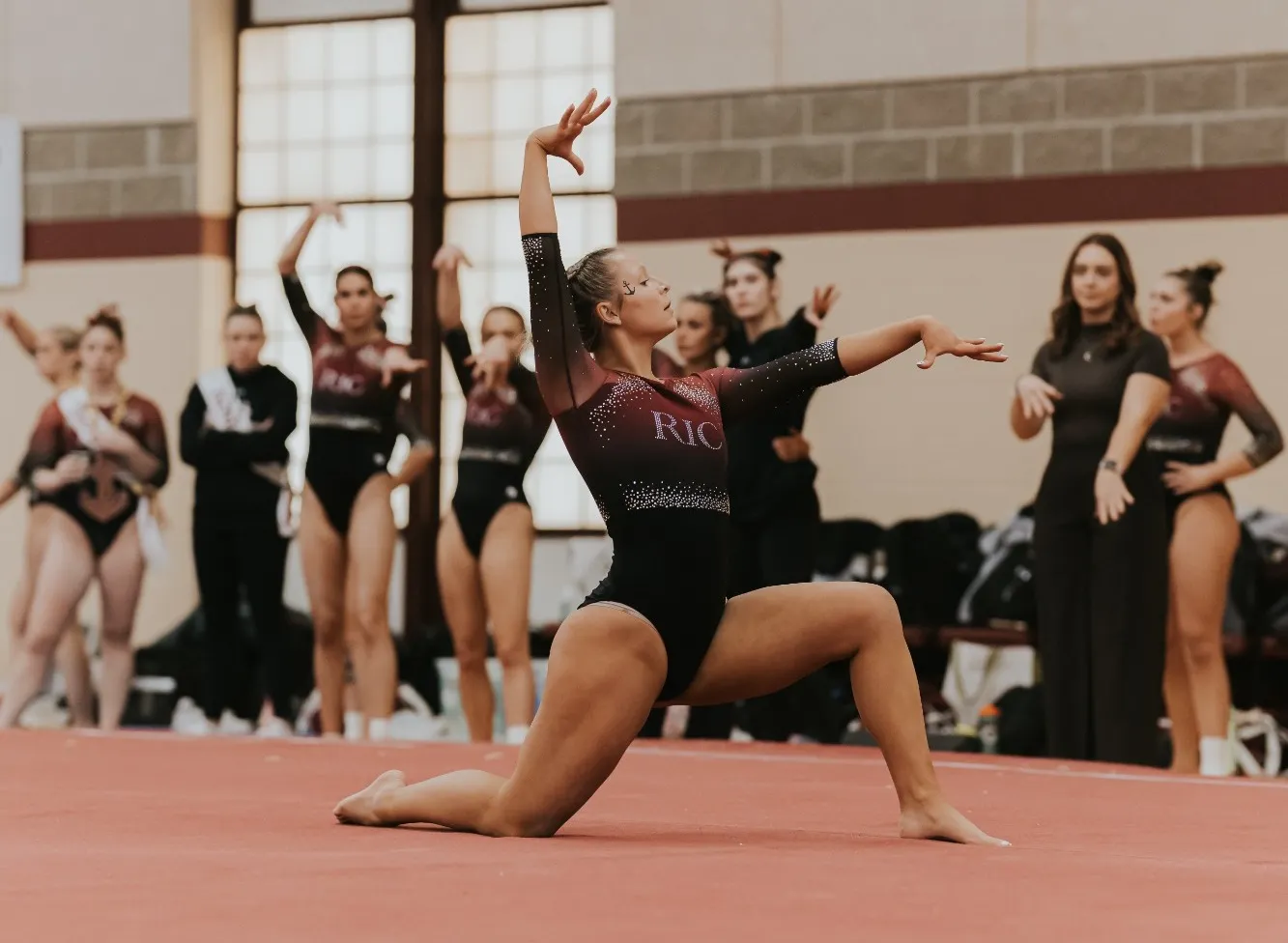
Abigail Bunch (Rhode Island College) was the big sensation of the Asymmetrical Bars. She arrives at Cortland with the Eastern regional title and is possibly the gymnast with the cleanest barbell line of the entire competition and Aaliyah Krause (Rhode Island College), an All-Around competitor who has been voted "Gymnast of the Week" multiple times. It is very strong on the ground.
Another highlight is Leanne Desjardins (Ithaca College), a freshman who surprised everyone and everything. She qualified individually and is one of the favorites for the podium in the Balance Beam and Sarah Kunnerman (Springfield College), even though Springfield is in the team final, Sarah stands out individually for her accuracy in the Jump.
This same Friday we will have the finals of the MIC (Midwest Independent Conference) which is exclusively for women's artistic gymnastics and hosts only four universities from the 3 divisions. The teams that make up MIC in 2026 are:
- Southeast Missouri State (SEMO) – Division I and this year's host.
- Illinois State University – Division I and often the heavy favorite for the title.
- Lindenwood University – Division II and a team with an incredible history (they have won several titles in a row recently).
- Texas Woman's University (TWU) – Division II and one of the few all-female universities with an elite gymnastics program.
- Centenary College – Division III but it is a special case, as these athletes do not have a scholarship and it is almost a "David against Goliath" dispute.
Featured at the MIC are Jaye Mack (Illinois State): A phenomenal floor specialist who has consistently scored in the 9,900+ range, and Jocelyn Williams (SEMO): The star of the house, who will be looking to use the crowd support in Missouri to win the Vault title.
Super Saturday
The air is loaded with magnesium and expectation. If Friday was the warm-up, Saturday is the litmus test. In four major arenas across the United States, the NCAA's biggest stars prepare for what could be the performance of their lives.
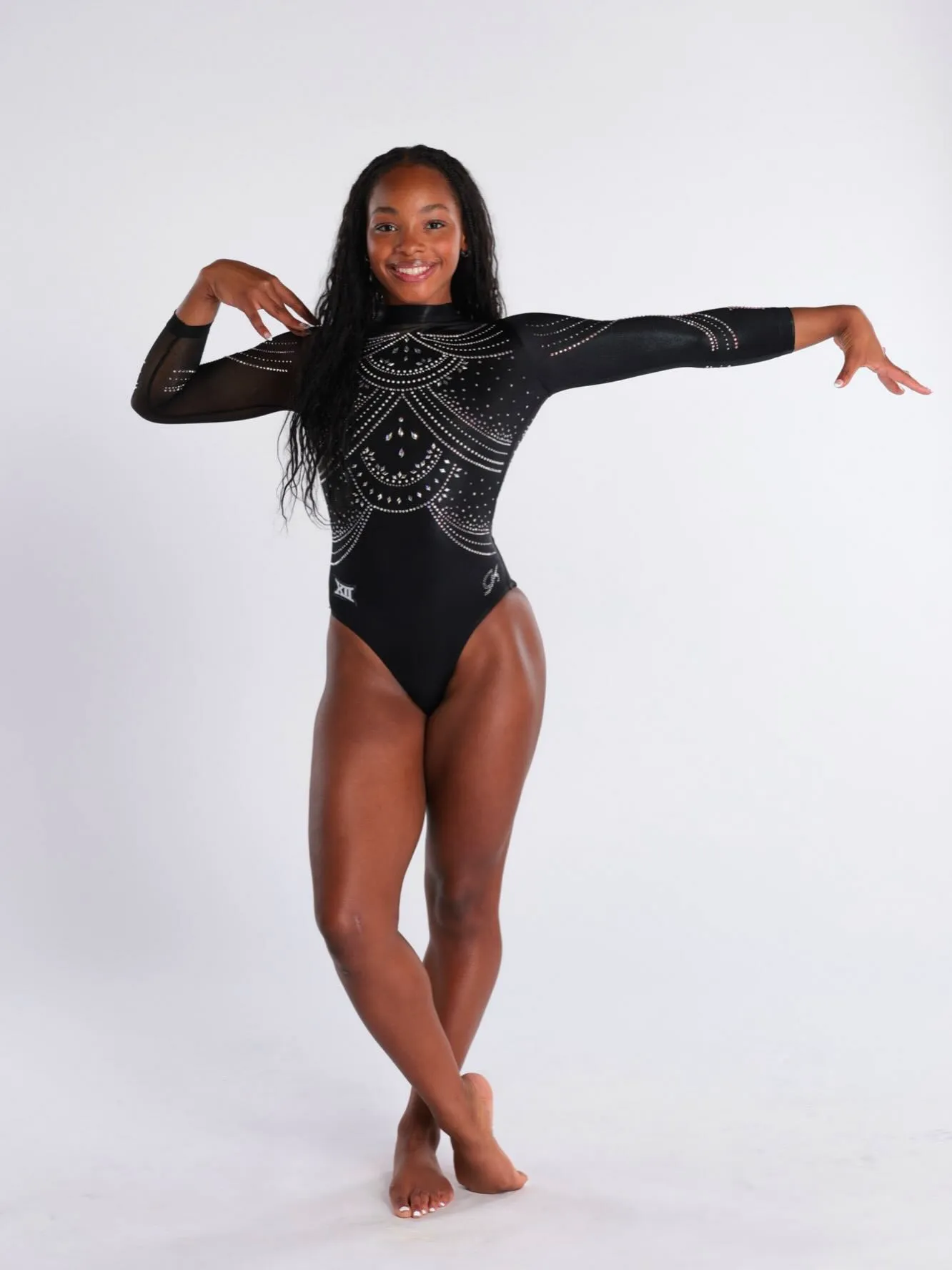
This Saturday four powerful Division I conferences made their disputes. They are SEC (Southeastern Conference) with Oklahoma and LSU as favorites, Big Ten Conference with UCLA and Michigan as favorites, Big 12 Conference with Utah as favorite, and ACC (Atlantic Coast Conference) with Stanford as favorite.
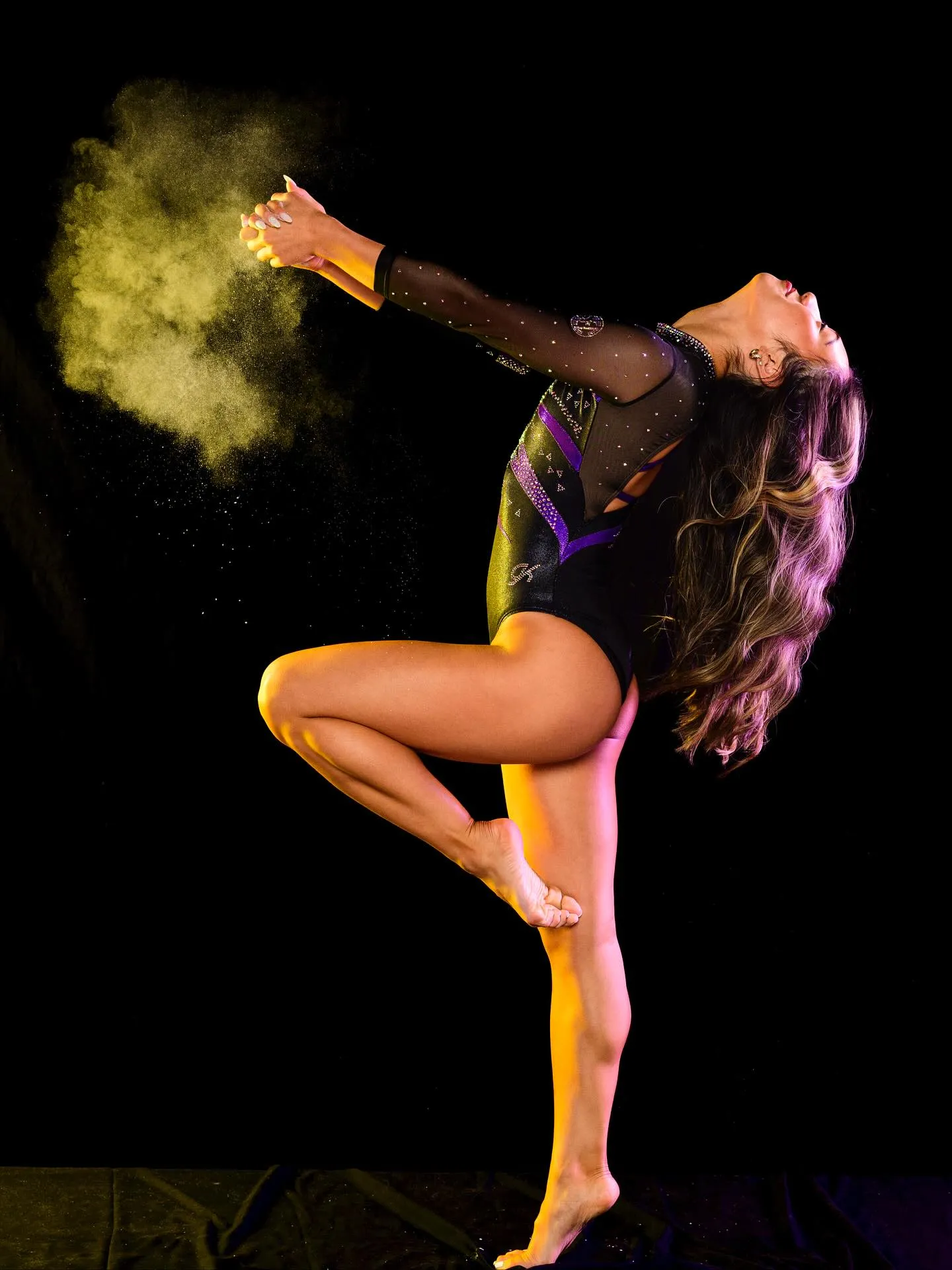
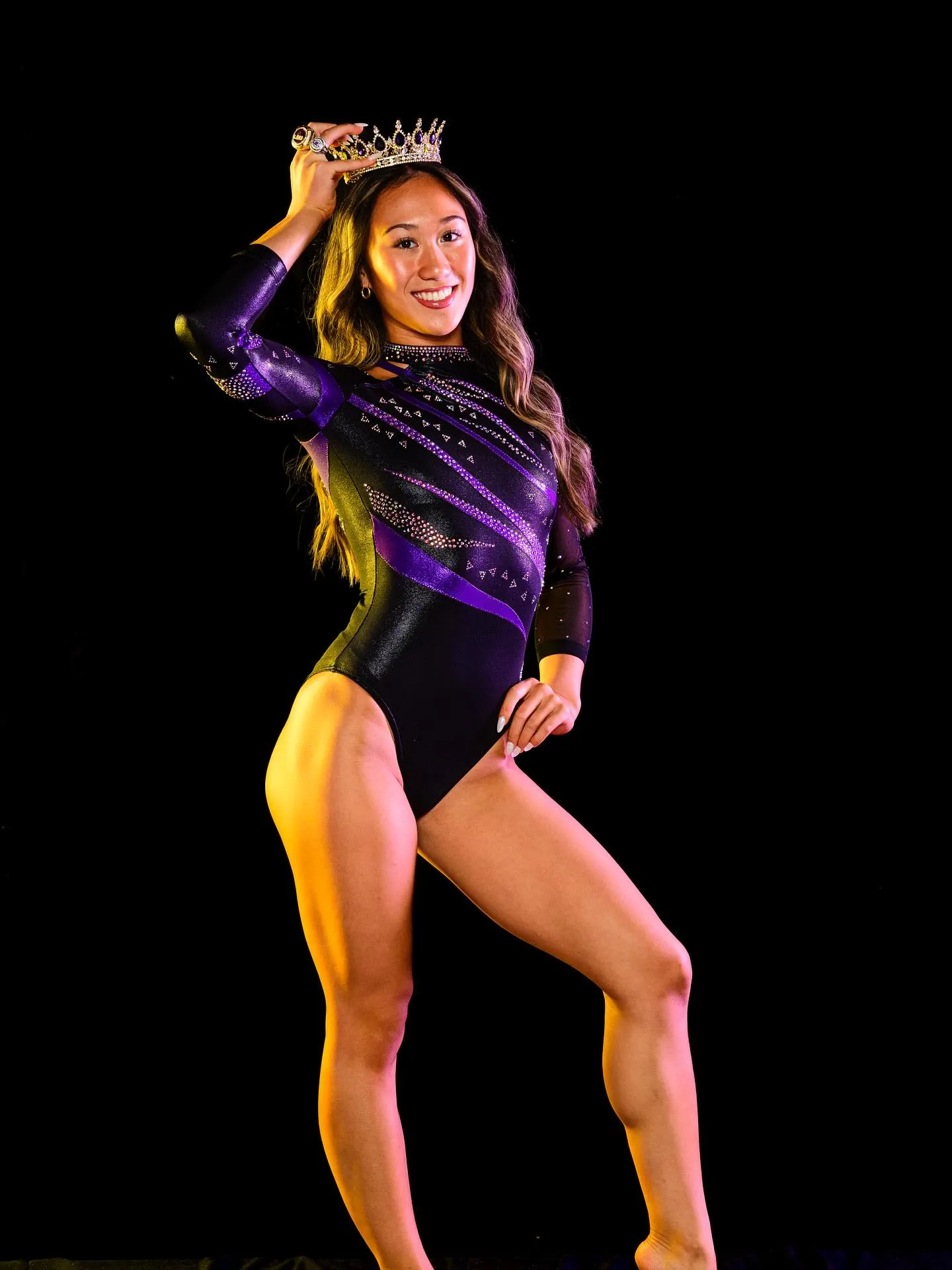
At SEC, we highlight Kailin Chio (LSU). She enters this day as the favorite for the Honda Award, already boasting six perfect 10.0 grades this season. When she raises her arm for the jump, the pavilion falls silent and from the favorite Oklahoma we have the solidity of Addison Fatta and the freshman sensation Lily Pederson.
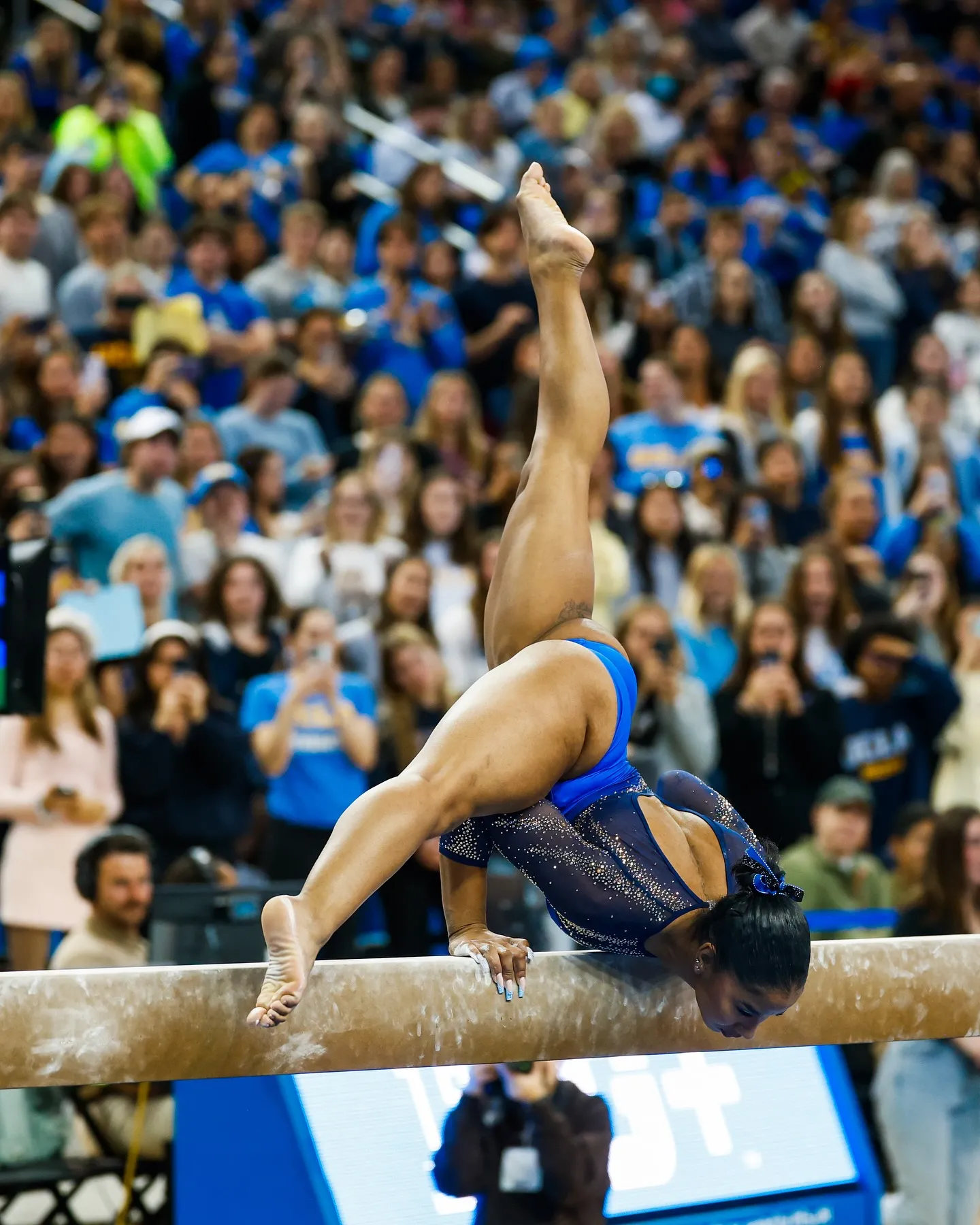
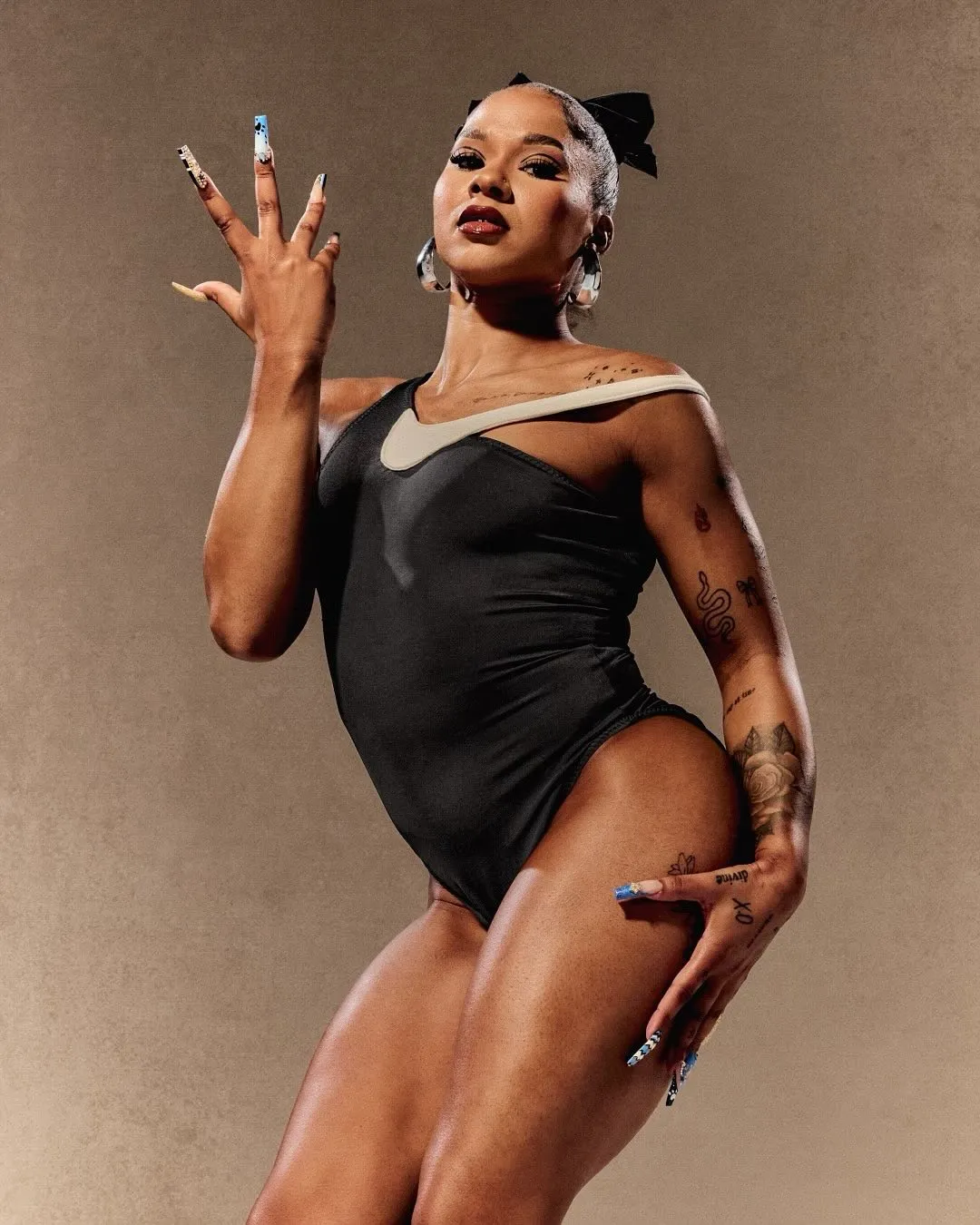
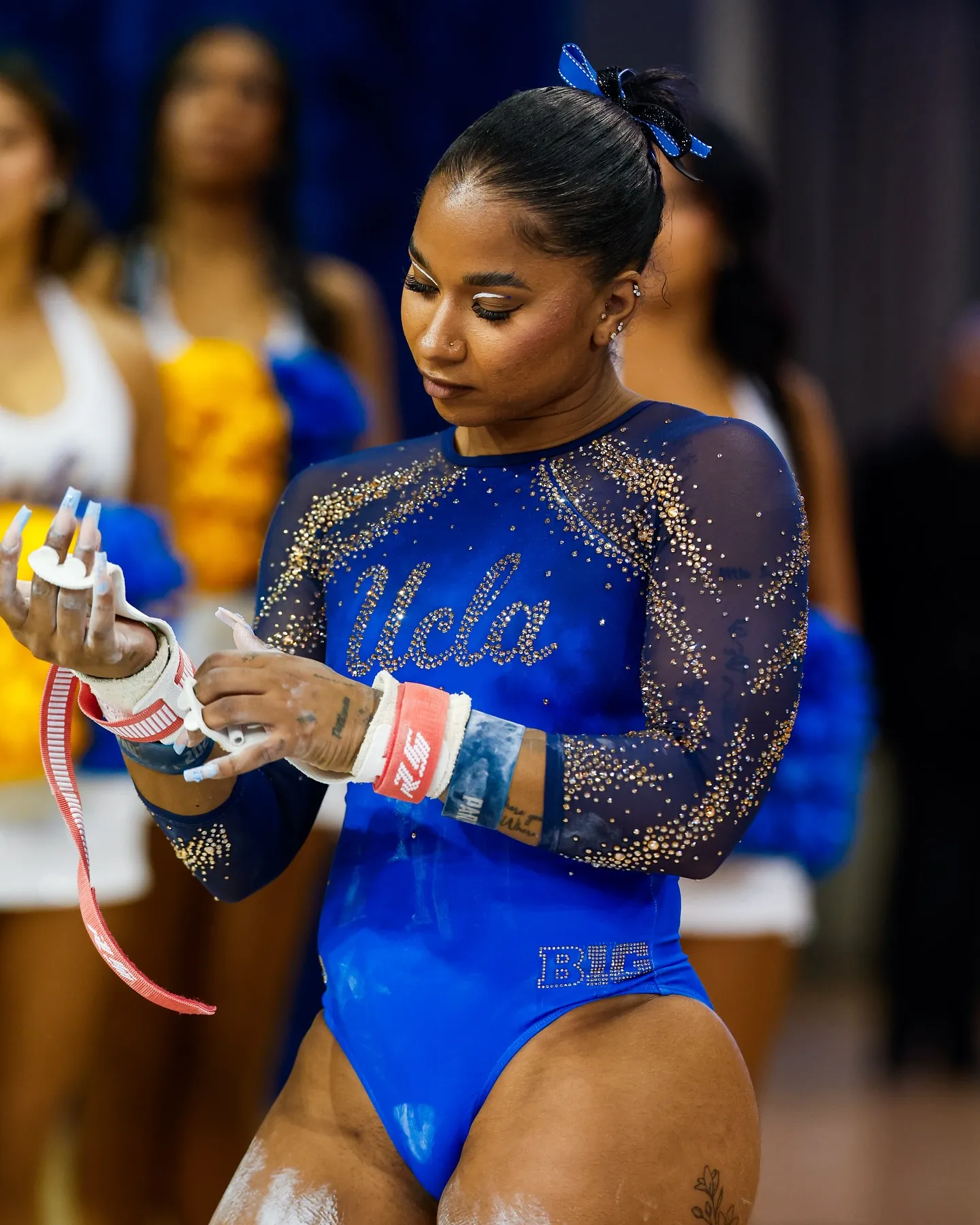
In Big Ten we highlight Jordan Chiles (UCLA), who is also a team favorite, the Olympic medalist is the heart of the Bruins. She doesn't just do gymnastics; She puts on a show. With five consecutive 10.0 scores in recent weeks, Chiles is the absolute candidate for the All-Around title.
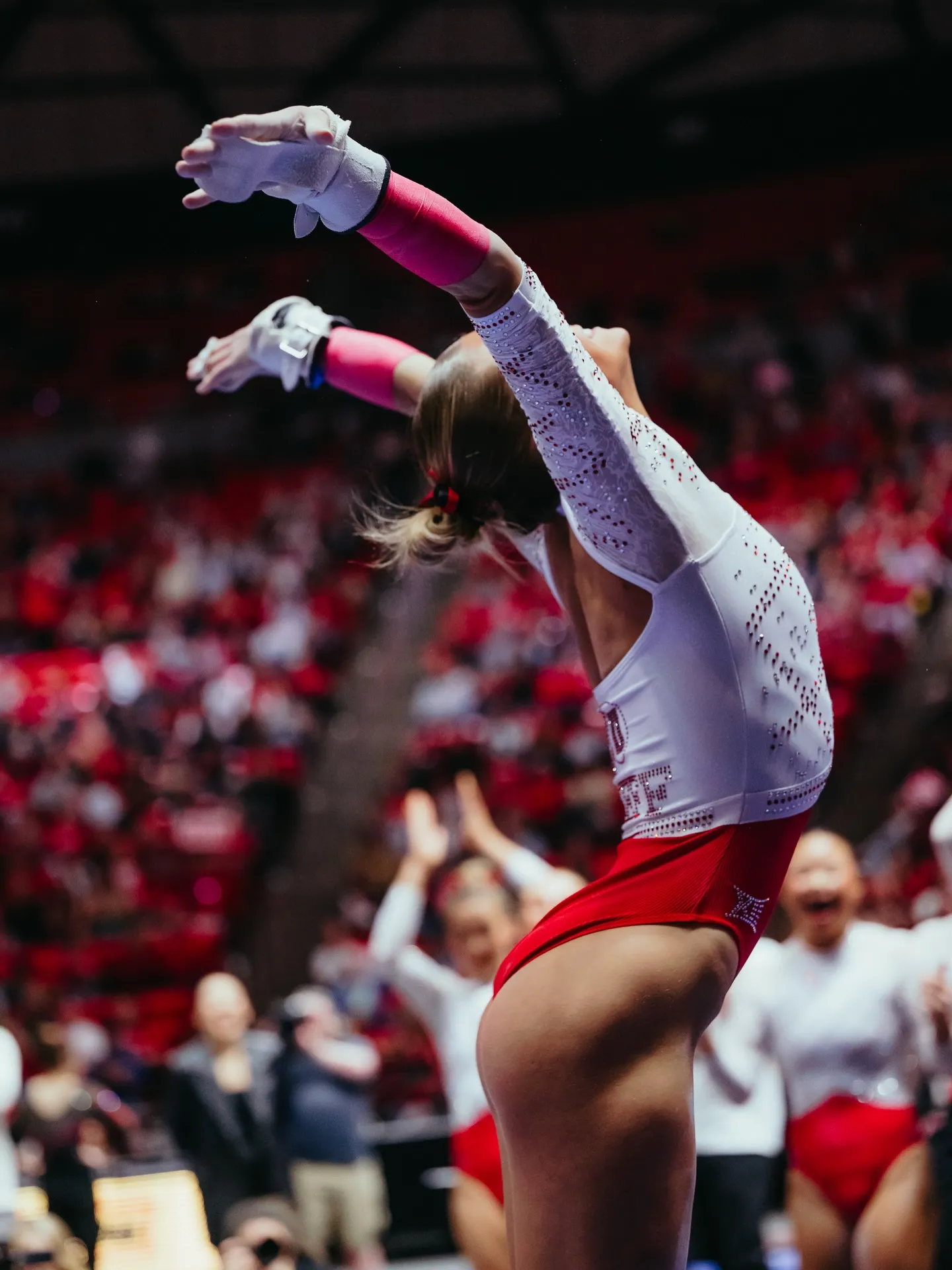
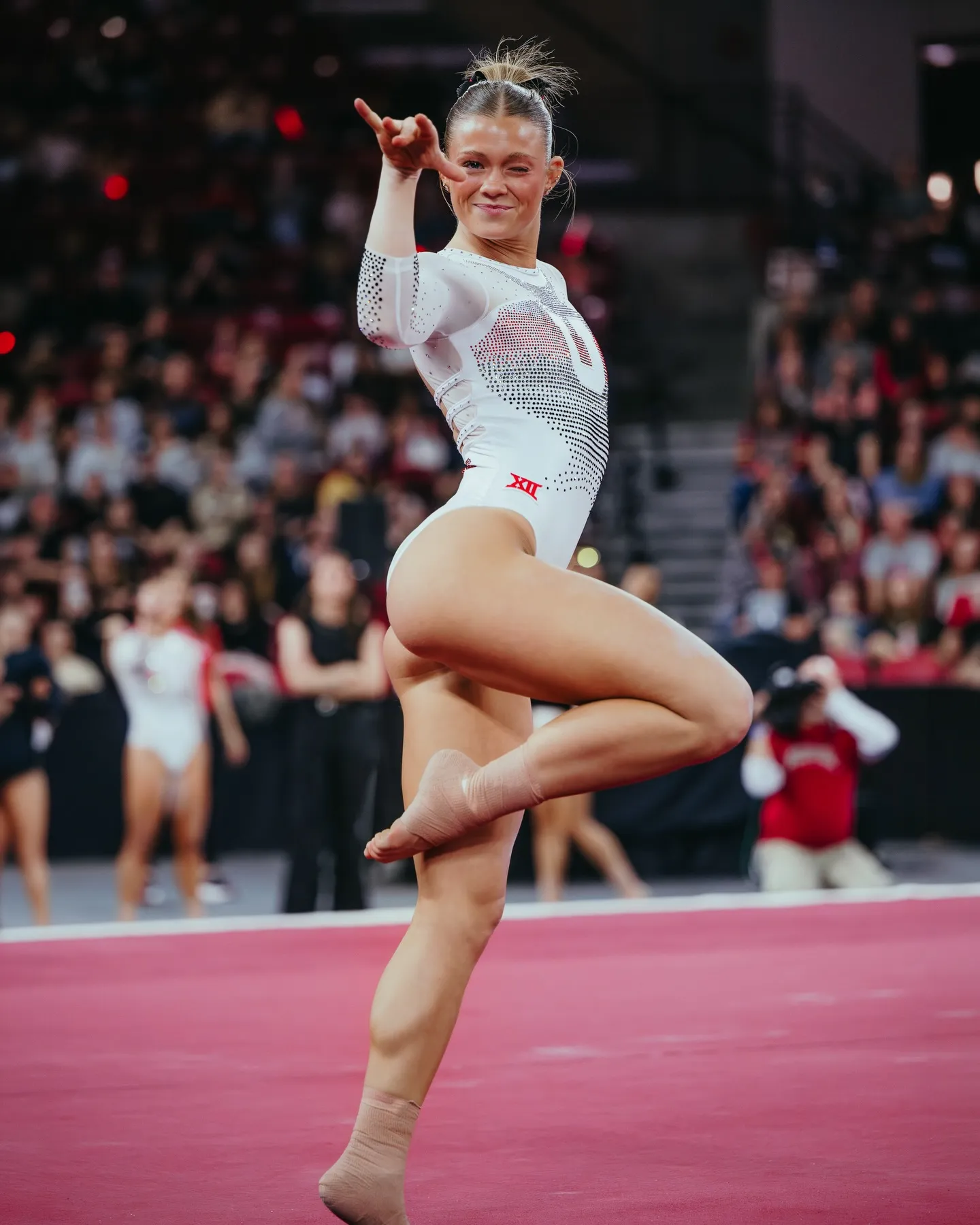
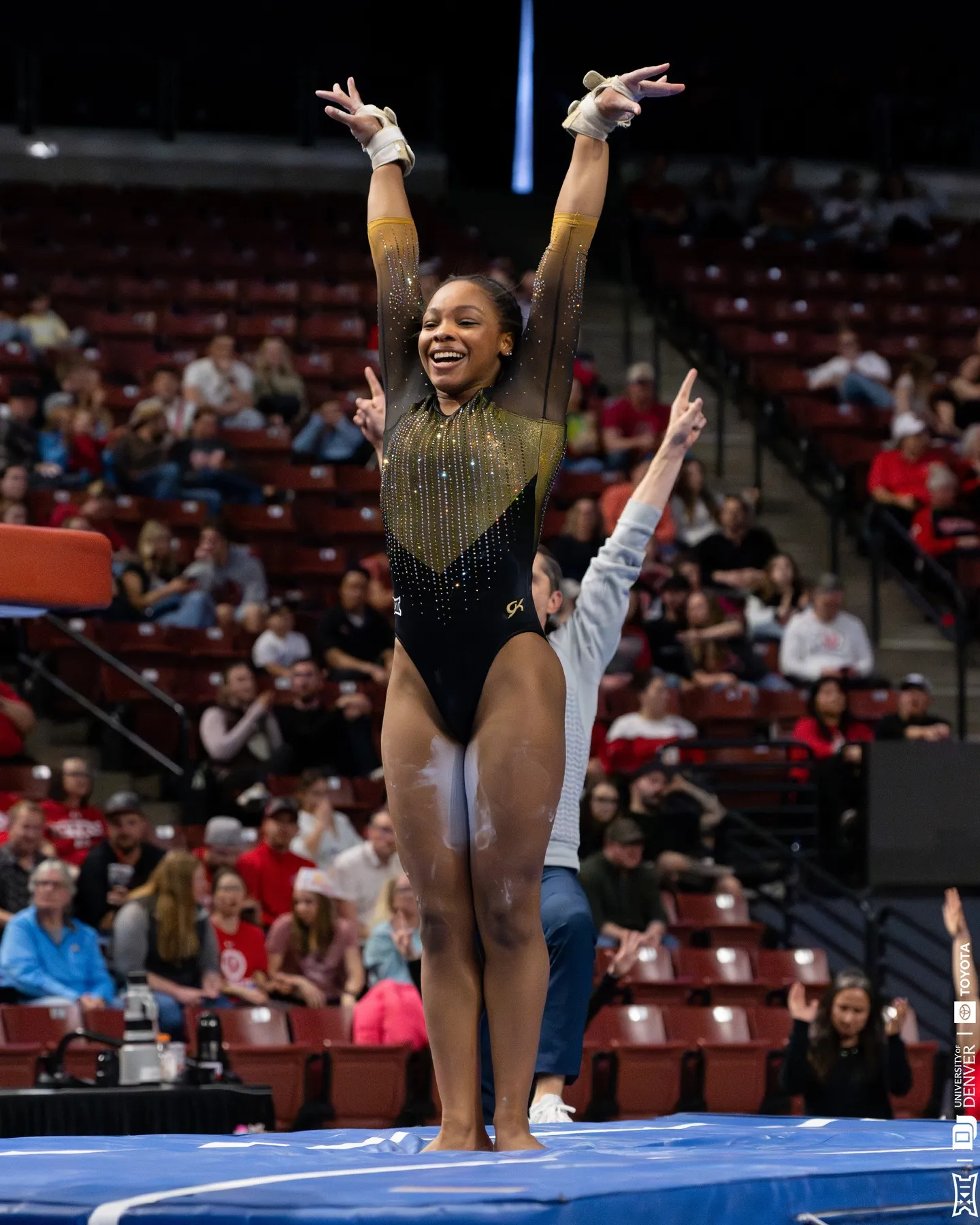
The Big 12 Star is Avery Neff (Utah). The former No. 1 recruit in the country has become Utah's "anchor." With multiple 10.0s on vault and bars, she's the force that keeps Utah on top. By teams, Utah is also the favorite, but Mila Brusch's Denver promises a close fight until the last apparatus.
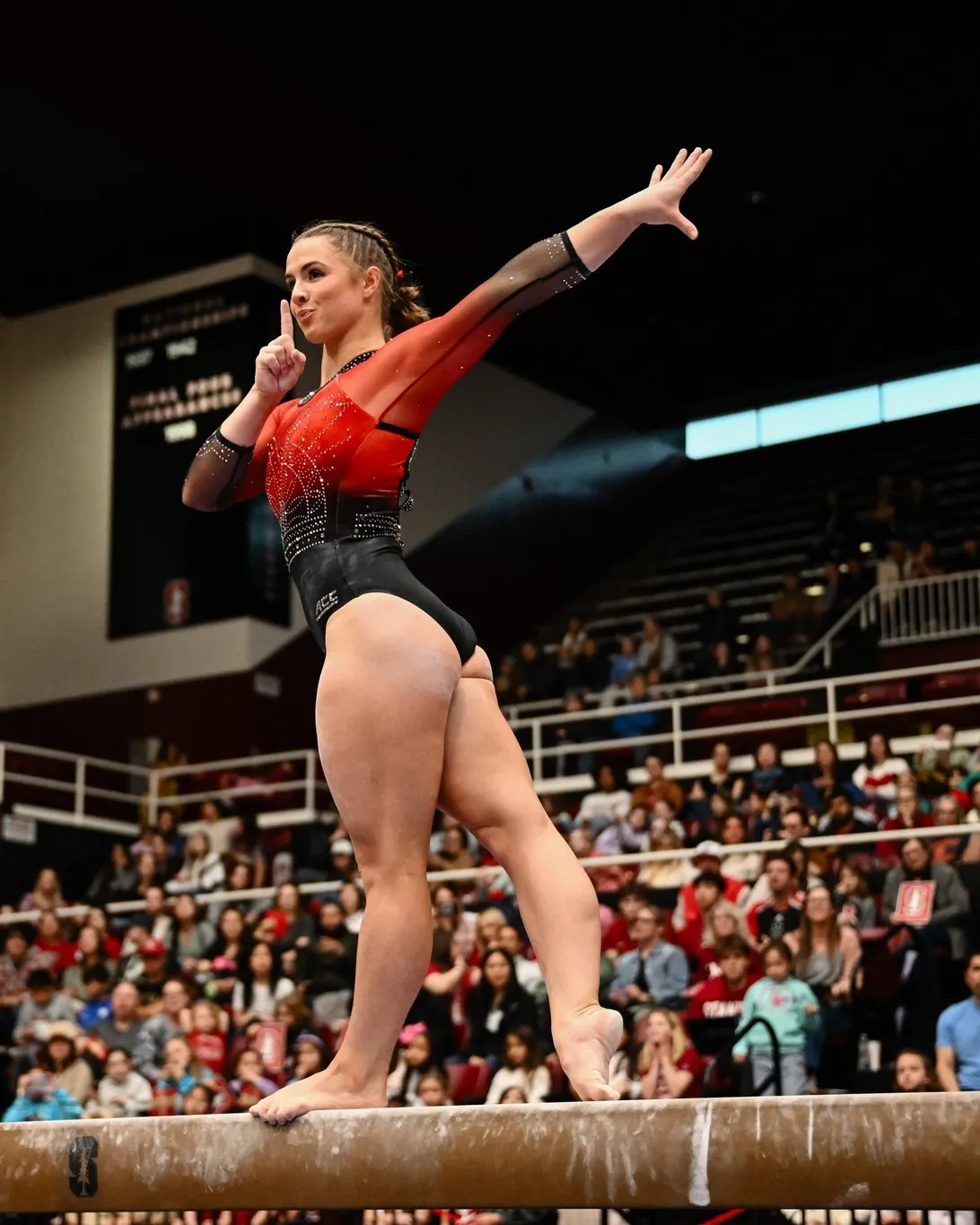
At ACC, the star is Anna Roberts (Stanford). Current NCAA jumping champion, Roberts has become an All-Around general. She holds the conference's highest score this year (39,875). I also look at Romania's Ana Bărbosu, who brings the brilliance of the Paris Games to Stanford, but Brie Clark's Clemson (famous for her explosive floor) is a real threat to Stanford.